




Cultural perspectives on gambling How traditions shape betting behaviors
The Historical Context of Gambling
Gambling has a long and rich history, deeply embedded in many cultures around the world. From ancient civilizations to modern society, betting practices have evolved alongside human culture, often reflecting societal values and norms. For instance, in ancient Rome, gambling was not only a leisure activity but also tied to social hierarchies, where the elite often participated in games of chance to display their wealth. Such historical contexts shape contemporary perspectives on gambling, influencing how different communities view and engage in betting activities. By understanding the nuances, those new to this area can navigate its complexities more effectively. Additionally, exploring the varied landscape of online gaming, such as Vipluck, can provide beginners with valuable insights.

In many cultures, gambling was initially seen as a means of divination or a way to communicate with the divine. In Chinese culture, for example, gambling has roots in spiritual beliefs, with games often associated with luck and fortune. This historical significance continues to influence modern attitudes towards gambling, where many still regard it as an activity that can bring both prosperity and misfortune. Understanding this context is crucial to appreciating why certain communities are more inclined towards gambling than others.
Moreover, the historical view of gambling often intersects with legal and ethical considerations. In various societies, gambling has faced prohibition, often due to moral beliefs or concerns about addiction and social disruption. These historical factors continue to influence contemporary laws and regulations surrounding gambling. As societies evolve, so do the perceptions of gambling, making it essential to explore these historical roots to understand current betting behaviors.
Cultural Variations in Gambling Practices
The cultural context significantly influences how different societies engage in gambling. For instance, in Western cultures, particularly in Las Vegas and Atlantic City, gambling is often viewed as a form of entertainment and escapism. The excitement of casinos and betting on sports events is heavily marketed, leading to a normalization of gambling as a popular leisure activity. This contrasts sharply with many Asian cultures, where gambling can be more ritualistic and tied to communal gatherings, often involving family and friends in games like Mahjong.
In countries such as Japan, traditional forms of gambling, like Pachinko, reflect a blend of cultural practices and modern gaming. Pachinko parlors often become social hubs, where individuals gather not just to gamble, but to socialize and connect. This community-oriented approach highlights how cultural values shape gambling behaviors, making it more than just a financial endeavor but a shared experience.
Furthermore, indigenous cultures worldwide often have unique perspectives on gambling, intertwining it with spirituality and social rituals. In Native American communities, for example, traditional games like dice have historical significance, often used during ceremonies or community events. This illustrates that gambling behaviors are not merely individualistic pursuits but deeply rooted in cultural traditions that shape how communities perceive and engage in betting.
The Role of Tradition in Shaping Attitudes Towards Gambling
Traditions play a pivotal role in shaping how individuals and communities approach gambling. For many cultures, traditional beliefs about luck, fate, and fortune significantly influence gambling practices. In some cultures, certain numbers, colors, or symbols may be deemed lucky or unlucky, directly affecting betting choices. Such beliefs not only dictate personal betting strategies but also how communal gambling events are organized and celebrated.
Moreover, the passing down of gambling traditions from generation to generation often reinforces certain behaviors and attitudes. For example, in cultures where gambling is viewed as a rite of passage, young individuals might be introduced to betting as part of familial bonding. This can lead to a strong cultural acceptance of gambling as a legitimate form of entertainment, shaping how new generations view and participate in these activities.
On the other hand, traditions can also serve as a counterbalance to gambling excesses. Many communities have established norms that promote responsible gambling, often emphasizing the importance of moderation and self-control. In some cultures, where gambling is viewed through a lens of caution, individuals may be encouraged to engage only under specific circumstances, illustrating how traditions can both encourage and restrict gambling behaviors.
The Impact of Modernization on Gambling Cultures
Modernization has significantly transformed gambling practices worldwide, leading to a fusion of traditional and contemporary approaches. The advent of technology has introduced online gambling platforms, altering how individuals engage with betting. Traditional gambling methods, such as community betting events, are increasingly supplemented by online casinos and mobile apps, making gambling more accessible but also raising questions about addiction and responsible gaming.
In addition, modern advertising and marketing strategies have reshaped perceptions of gambling. Where traditional views might have placed a stronger emphasis on community and caution, modern portrayals often glamorize the high-stakes world of gambling. This shift can lead to increased participation, especially among younger demographics who may not have strong ties to traditional views on gambling.
Despite these changes, many cultures have found ways to adapt their traditions to fit the modern landscape. For instance, festivals that celebrate traditional gambling games are often complemented by contemporary activities like poker tournaments, blending old and new practices. This adaptation illustrates the resilience of cultural traditions in the face of modernization, as societies find ways to maintain their identity while embracing new opportunities.
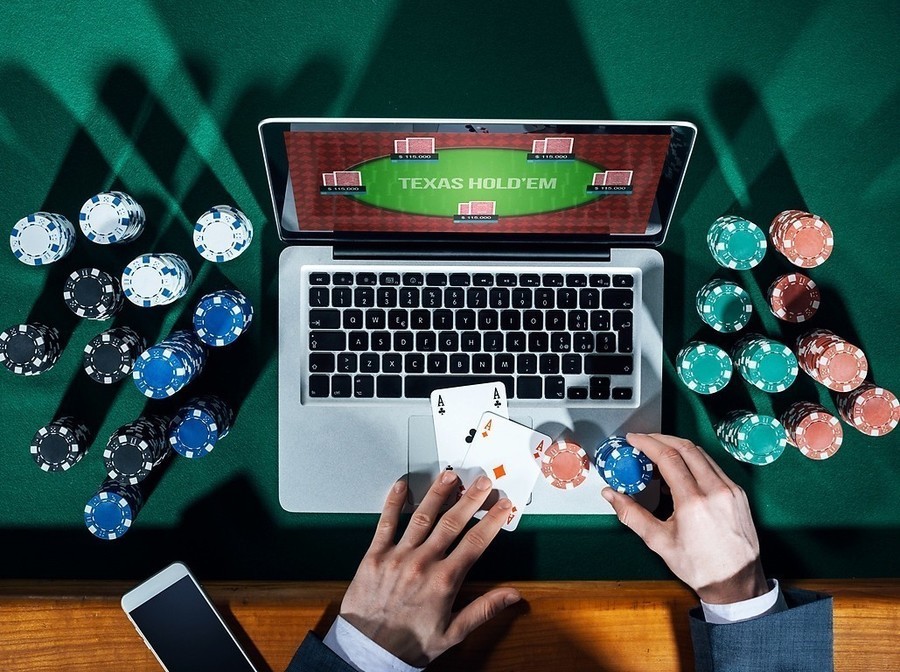
Exploring Online Gambling Platforms
The rise of online gambling platforms has revolutionized the gaming industry, offering a convenient alternative to traditional betting practices. Websites and apps provide a vast array of gaming options, from slots to live dealer experiences, allowing players to engage with their favorite games from the comfort of their homes. This accessibility has contributed to the growing popularity of online gambling, appealing to a wider audience who may not have participated in traditional betting.
Moreover, online platforms often incorporate elements of cultural significance into their offerings. For example, many sites feature games inspired by various cultural themes, reflecting global traditions and narratives. This not only broadens the appeal of these games but also fosters a connection between players and their cultural heritages, bridging the gap between traditional practices and modern technology.
In Australia, platforms like VipLuck Casino embody this integration by offering extensive gaming options while promoting responsible gambling. With welcome bonuses and a variety of gaming experiences, they cater to both novice and seasoned players, ensuring a welcoming atmosphere for all. By recognizing the importance of cultural perspectives on gambling, such platforms create a gaming environment that respects tradition while embracing innovation.